

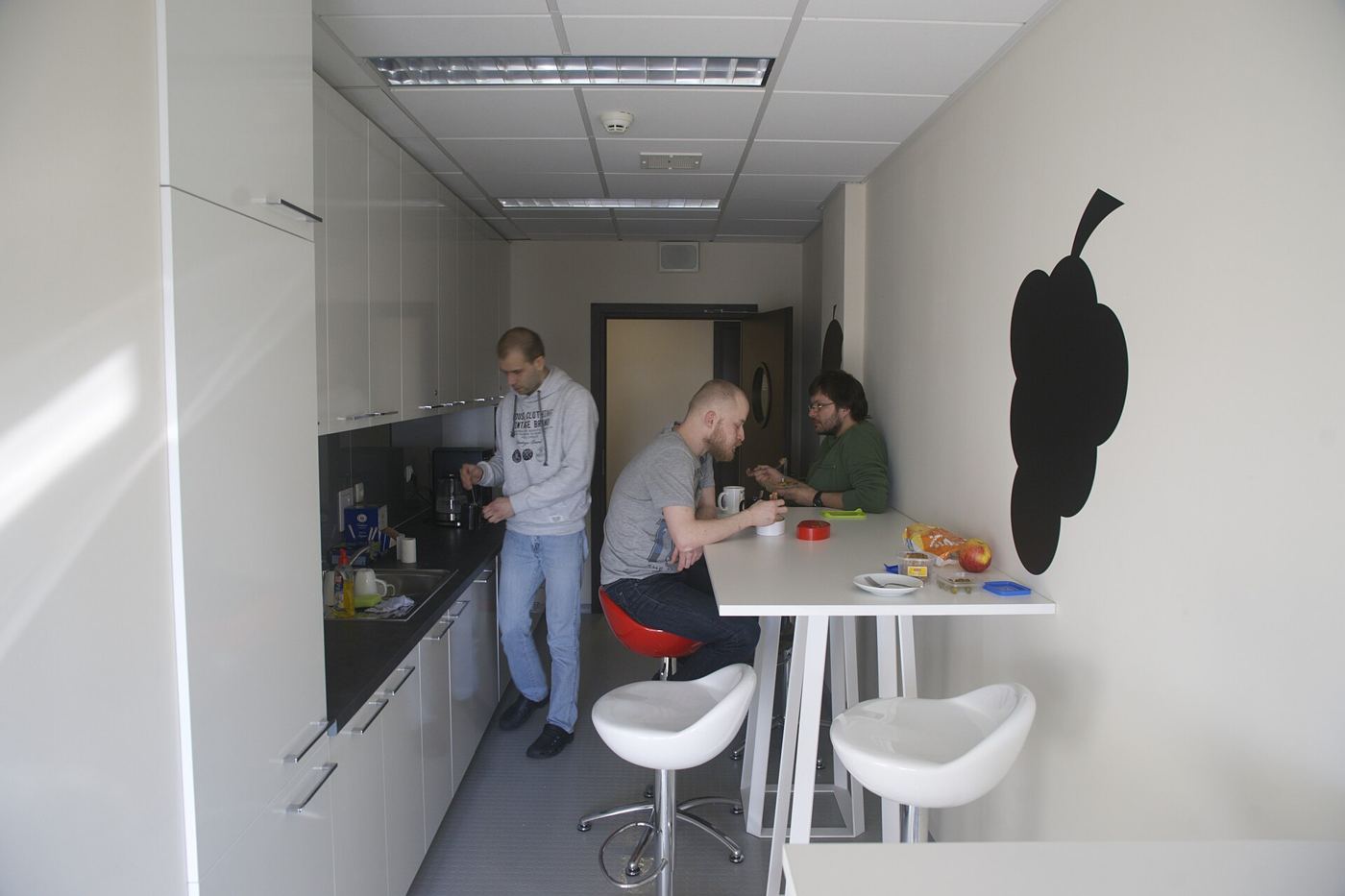
Short micro-breaks at work are cutting stress without cutting productivity, according to occupational health researchers who studied office staff taking brief pauses every hour. Instead of pushing through long stretches of screen time, workers who stood up, stretched, walked to the window or simply closed their eyes for a couple of minutes reported feeling calmer and more focused when they returned to their desks. Managers who once worried that breaks would waste time found the opposite: total output stayed the same or improved, because tired workers make more mistakes and take longer over simple tasks. The idea is not new, but it is gaining traction as employers look for low-cost ways to support mental health without overhauling the working day. A micro-break costs nothing, needs no equipment and fits into even the busiest schedule, which may explain why it is spreading so quickly through offices.
What the Evidence Shows
Experts recommend structuring micro-breaks around movement and distance from the screen, because a break spent scrolling on the same phone rarely refreshes anyone. Standing, walking to fetch water, looking out of a window or chatting briefly with a colleague all count, and the key is regularity rather than length. Some employers are building reminders into calendars and encouraging team leaders to model the habit, since staff are far more likely to pause when their manager does too. Workers with musculoskeletal pain or eye strain should treat micro-breaks as part of a broader routine that includes proper seating and regular eye checks. The research message is encouraging: small, frequent pauses are among the simplest ways to protect both wellbeing and performance during a working day. Teams that adopt the habit together often find it easier to sustain, because a shared pause feels normal rather than indulgent. Reporting and analysis from sources such as World Health Organization track the same developments, and specialists following workplace micro-breaks say the direction is now consistent across independent lines of evidence.
The Wider Context
The wider context is a health system trying to move from treating illness late to preventing it early, against budgets that reward the opposite. Evidence around workplace micro-breaks is being weighed by guideline committees that ask two questions in order: does it work, and can ordinary services actually deliver it at scale. Many good ideas pass the first test and stall on the second.
What Happens Next
What happens next for workplace micro-breaks depends on the slow machinery of guidelines, funding and training catching up with the evidence. Patients asking about it today should expect honest answers that include uncertainty, and clinicians say a service that explains what is not yet known earns more trust than one that oversells. The research pipeline, at least, is moving in the right direction. You can follow related developments in our coverage of health.
There is a practical lesson in all of this for readers deciding what to do today. Start with the verified facts, be wary of anyone promising certainty, and prefer reversible steps while the evidence is still developing. Circumstances differ by country, income and personal situation, so general guidance should always be weighed against your own context before you act on it in any significant or lasting way.
