

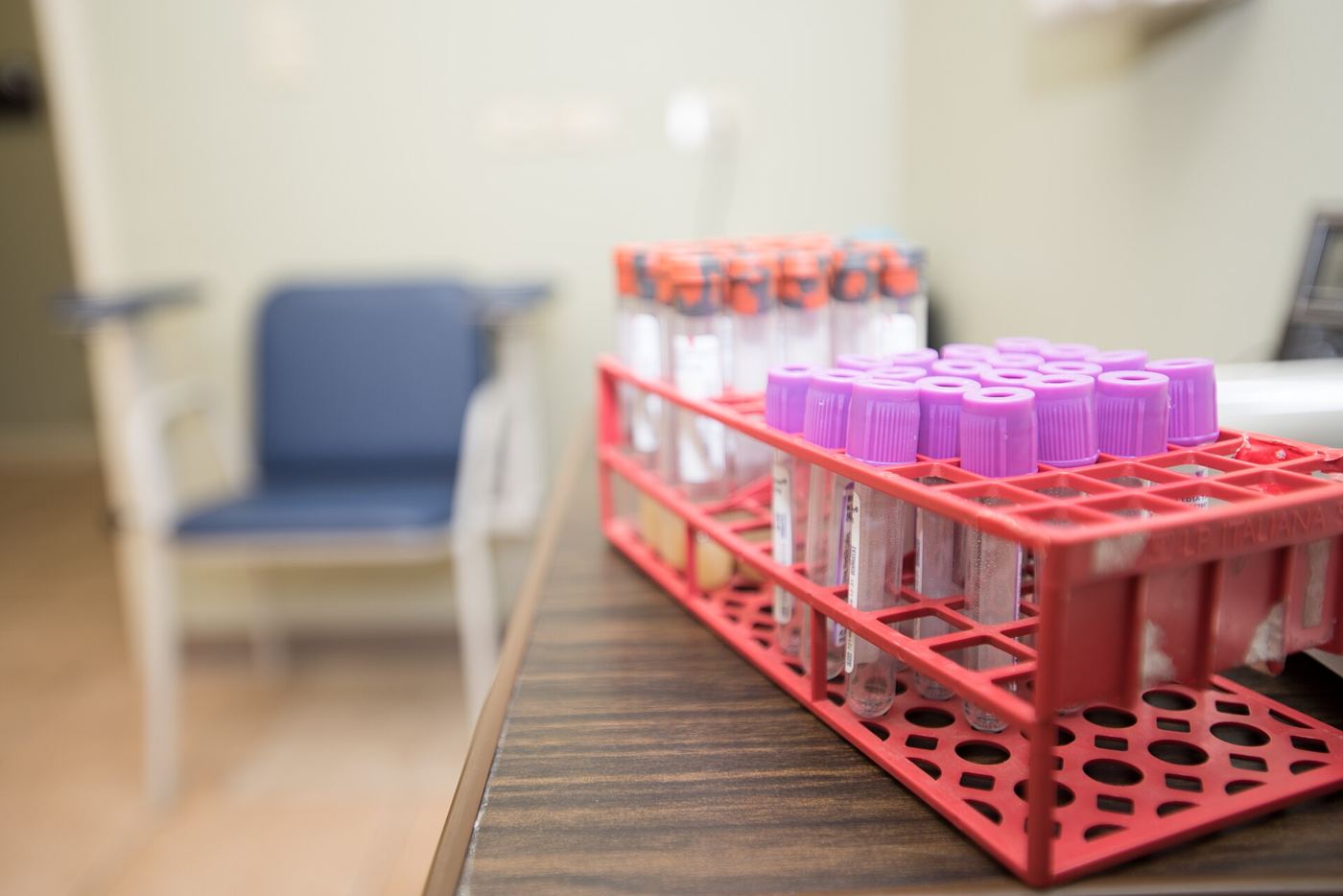
Community clinics in several regions are extending their evening hours this winter, offering appointments for minor injuries, infections, dressings and long-term condition reviews well beyond the traditional working day. Health leaders hope the longer hours will ease pressure on hospital emergency departments, where many patients arrive with problems that could be treated safely closer to home. The clinics are staffed by mixed teams of nurses, paramedics, pharmacists and GPs, with access to basic tests and X-rays on some sites. For working adults and parents, an appointment at seven in the evening can mean treatment without losing a day’s pay or arranging emergency childcare during school and office hours. Funding for the extended hours comes from local health budgets that previously paid for overflow hospital clinics, and managers believe neighbourhood sites offer better value as well as convenience. Travel is shorter for most patients, parking is simpler, and clinics can often see minor problems faster because their queues are smaller and their services are focused. Staff recruited for the evening rotas include recently retired clinicians returning part-time, who bring experience and help mentor newer team members during busy winter shifts across the participating sites in the region.
What the Evidence Shows
Early attendance figures suggest the evening slots fill quickly, particularly for children’s fevers, ear pain, sprains and urinary infections. Managers are monitoring whether the service genuinely diverts demand from hospitals or mainly meets previously unmet need, which would still be valuable but changes the cost calculation. Patients are advised to check local listings, because hours and services vary between sites, and some clinics require booking through a central line. Clinicians remind the public that chest pain, severe breathlessness and signs of stroke always belong in emergency care, however convenient the local clinic may be for less serious problems. Patient feedback collected so far highlights communication as the next improvement needed, because many residents still do not know the clinics exist or what they treat. Local advertising, pharmacy posters and text messages from GP practices are being used to spread the word. If awareness rises alongside capacity, health leaders believe community clinics can become the natural first call for urgent but non-emergency problems, reserving hospitals for the seriously ill who need their specialist care most. Reporting and analysis from sources such as World Health Organization track the same developments, and specialists following extended community clinic hours say the direction is now consistent across independent lines of evidence.
The Wider Context
The wider context is a health system trying to move from treating illness late to preventing it early, against budgets that reward the opposite. Evidence around extended community clinic hours is being weighed by guideline committees that ask two questions in order: does it work, and can ordinary services actually deliver it at scale. Many good ideas pass the first test and stall on the second.
What Happens Next
What happens next for extended community clinic hours depends on the slow machinery of guidelines, funding and training catching up with the evidence. Patients asking about it today should expect honest answers that include uncertainty, and clinicians say a service that explains what is not yet known earns more trust than one that oversells. The research pipeline, at least, is moving in the right direction. You can follow related developments in our coverage of health.
There is a practical lesson in all of this for readers deciding what to do today. Start with the verified facts, be wary of anyone promising certainty, and prefer reversible steps while the evidence is still developing. Circumstances differ by country, income and personal situation, so general guidance should always be weighed against your own context before you act on it in any significant or lasting way.
