

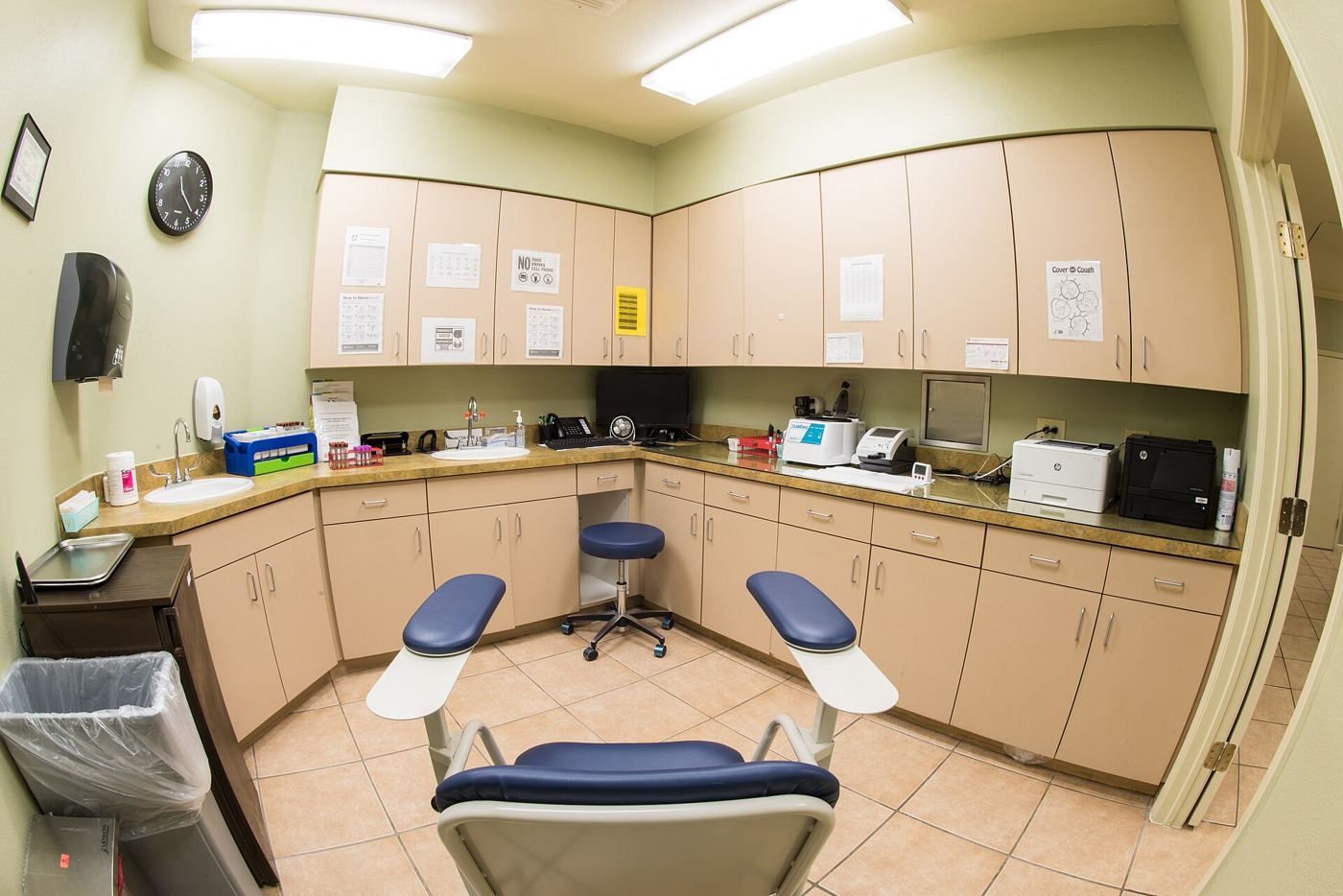
Travel clinics are advising holidaymakers to arrange vaccinations well before winter trips, because some courses of injections need several weeks to complete and provide full protection. Popular cold season destinations, from winter sun resorts to visiting relatives abroad, can carry health risks that differ from those at home, including hepatitis, typhoid and, in some regions, rabies or yellow fever. Practice nurses say travellers frequently underestimate the lead time required, arriving days before departure when only limited options remain available. An appointment six to eight weeks ahead allows staff to review the itinerary, check which routine vaccinations are already up to date and plan any additional doses sensibly. The consultation also covers malaria prevention where relevant, safe food and water habits, and managing existing conditions and medicines while away. Older travellers and those with weakened immune systems may need tailored advice, since some live vaccines are unsuitable for certain patients. Clinics further remind travellers that entry rules for some countries require certified vaccination, without which boarding or admission can be refused. Planning healthcare alongside flights and insurance therefore protects both the traveller and the trip itself, avoiding last minute panic and ensuring protection is genuinely effective by the time of departure.
What the Evidence Shows
Travellers can prepare for the appointment by bringing records of previous vaccinations, a list of current medicines and details of any allergies, which helps the nurse give precise advice quickly. Costs vary because some travel vaccines are provided free through public services while others are charged privately, so asking about prices in advance avoids surprises. Families travelling with children should check that childhood immunisations are complete, since diseases that are rare at home remain common in some destinations. Travel health specialists also discuss risks that vaccines cannot address, such as insect bites, sun exposure and travellers’ diarrhoea, and the simple measures that reduce them. Insurance that covers medical treatment and repatriation is considered essential, and travellers with existing conditions must declare them honestly for cover to remain valid. Those taking regular medication are advised to carry supplies in hand luggage, keep prescriptions handy and check whether their medicines are restricted at the destination. With these preparations made early, travellers can relax knowing that foreseeable health risks have been addressed by professionals. Clinics say the pattern is consistent every year: the travellers who book ahead leave reassured, while those who come at the last moment face compromises that earlier planning would easily have avoided. Reporting and analysis from sources such as World Health Organization track the same developments, and specialists following travel vaccinations winter holidays say the direction is now consistent across independent lines of evidence.
The Wider Context
The wider context is a health system trying to move from treating illness late to preventing it early, against budgets that reward the opposite. Evidence around travel vaccinations winter holidays is being weighed by guideline committees that ask two questions in order: does it work, and can ordinary services actually deliver it at scale. Many good ideas pass the first test and stall on the second.
What Happens Next
What happens next for travel vaccinations winter holidays depends on the slow machinery of guidelines, funding and training catching up with the evidence. Patients asking about it today should expect honest answers that include uncertainty, and clinicians say a service that explains what is not yet known earns more trust than one that oversells. The research pipeline, at least, is moving in the right direction. You can follow related developments in our coverage of health.
