

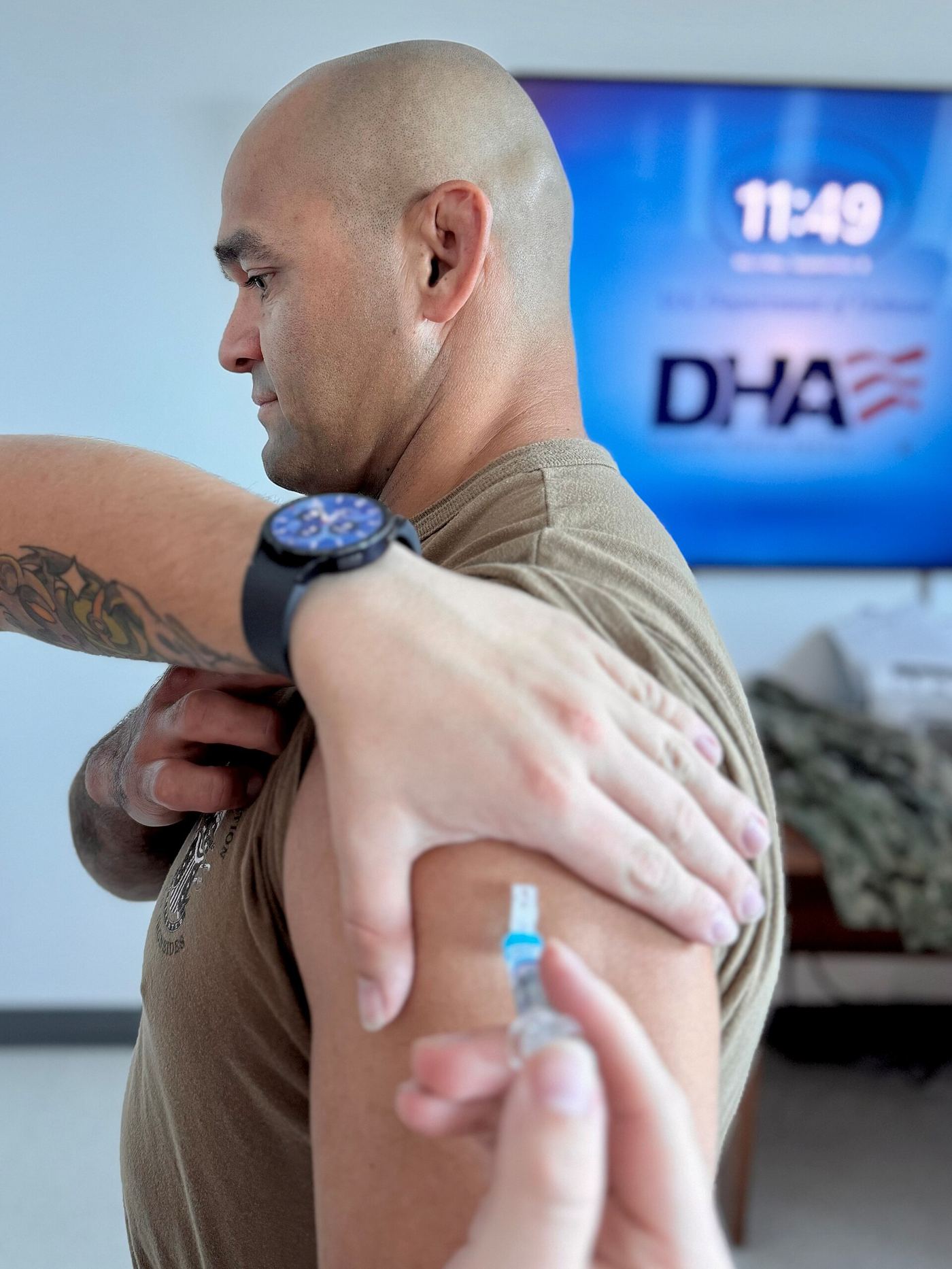
Older adults are booking winter vaccinations before the cold sets in, taking up the seasonal jabs that protect against flu and other winter infections. Vaccination is one of the simplest ways to stay well through winter, because it trains the immune system to recognise a virus before a real infection arrives, reducing the chance of a serious illness. Health services invite older people and those with long-term conditions each autumn, and uptake is usually highest among those who have been vaccinated before and know how quick and painless the appointment is. Doctors say the jabs matter most for people whose immune systems are weaker with age, since a winter infection that a younger person shakes off in days can lead to a hospital stay for an older adult. Clinics are offering the vaccinations alongside regular appointments, in pharmacies and in community centres, to make booking as easy as possible. For many older adults, the annual jab has become as routine as a flu-season coat.
What the Evidence Shows
Health experts advise booking early, since protection builds over a couple of weeks and the viruses usually arrive before the coldest weather. Anyone unsure whether they are eligible should ask their doctor or pharmacist, who can check the current guidance and explain which jabs are recommended. A sore arm or mild tiredness for a day or two is common and settles quickly, they say, and is far milder than the illness the vaccine prevents. Vaccination also protects those around the person, since a vaccinated grandparent is less likely to pass an infection to a newborn grandchild. Family members can help by booking the appointment, providing transport or simply reminding an older relative that the clinics are open. For older adults, doctors say, a winter vaccination is a small appointment that buys a safer, healthier season. Reporting and analysis from sources such as World Health Organization track the same developments, and specialists following winter vaccinations for older adults say the direction is now consistent across independent lines of evidence.
The Wider Context
The wider context is a health system trying to move from treating illness late to preventing it early, against budgets that reward the opposite. Evidence around winter vaccinations for older adults is being weighed by guideline committees that ask two questions in order: does it work, and can ordinary services actually deliver it at scale. Many good ideas pass the first test and stall on the second.
What Happens Next
What happens next for winter vaccinations for older adults depends on the slow machinery of guidelines, funding and training catching up with the evidence. Patients asking about it today should expect honest answers that include uncertainty, and clinicians say a service that explains what is not yet known earns more trust than one that oversells. The research pipeline, at least, is moving in the right direction. You can follow related developments in our coverage of health.
There is a practical lesson in all of this for readers deciding what to do today. Start with the verified facts, be wary of anyone promising certainty, and prefer reversible steps while the evidence is still developing. Circumstances differ by country, income and personal situation, so general guidance should always be weighed against your own context before you act on it in any significant or lasting way.
