

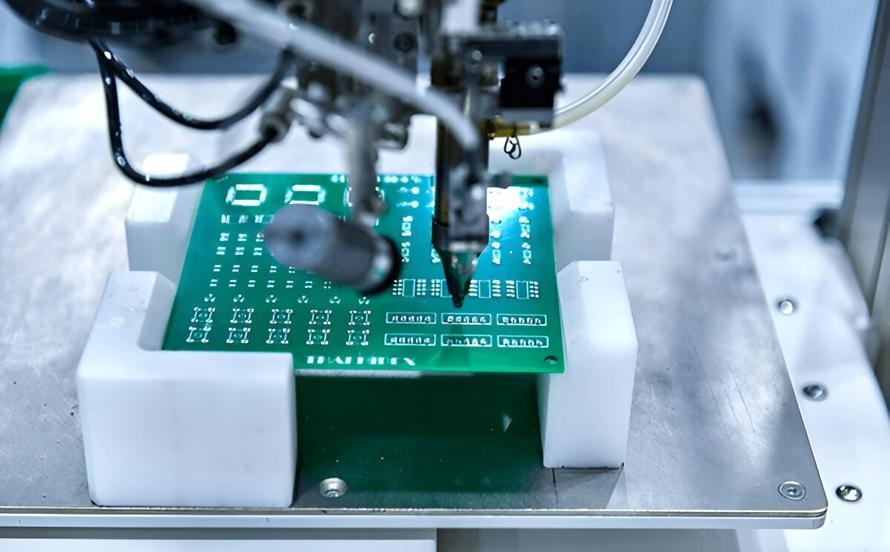
In today’s competitive electronics industry, product reliability, performance, and durability are more important than ever. Whether manufacturing consumer electronics, medical devices, automotive systems, industrial equipment, or telecommunications products, the quality of the printed circuit board assembly directly impacts the success of the final product. This is why High-Quality PCB Assembly has become a critical requirement for companies seeking to deliver dependable and long-lasting electronic solutions.
A printed circuit board serves as the foundation of an electronic device, but it is the assembly process that transforms the board into a functional system. From component placement and soldering to inspection and testing, every step must be executed with precision to ensure optimal performance. Understanding the principles and benefits of High-Quality PCB Assembly helps businesses make informed manufacturing decisions and achieve superior product outcomes.
What Is High-Quality PCB Assembly?
High-Quality PCB Assembly refers to the process of assembling electronic components onto a printed circuit board using advanced manufacturing techniques, strict quality controls, and industry best practices to ensure reliability and performance.
The assembly process involves mounting components such as resistors, capacitors, integrated circuits, connectors, and sensors onto the PCB according to design specifications. Once installed and soldered, these components work together to create a functional electronic circuit.
What distinguishes High-Quality PCB Assembly from standard assembly is the emphasis on accuracy, consistency, defect prevention, and rigorous testing throughout the production process.
The objective is to produce assemblies that perform reliably under their intended operating conditions while meeting customer expectations and industry standards.
Why High-Quality PCB Assembly Matters
The quality of PCB assembly has a direct impact on product performance and reliability.
Even a minor manufacturing defect can lead to electrical failures, intermittent operation, reduced lifespan, or complete product malfunction. For industries such as healthcare, aerospace, automotive, and industrial automation, these failures can have serious consequences.
High-Quality PCB Assembly helps manufacturers achieve:
- Improved product reliability
- Reduced defect rates
- Enhanced electrical performance
- Longer product lifespan
- Lower warranty costs
- Increased customer satisfaction
- Better regulatory compliance
By focusing on assembly quality, companies can protect their reputation and reduce long-term operational risks.
Essential Elements of High-Quality PCB Assembly
Achieving High-Quality PCB Assembly requires attention to multiple factors throughout the manufacturing process.
Quality begins with proper planning and extends through production, inspection, testing, and final verification.
Several key elements contribute to assembly excellence, including material quality, process control, equipment accuracy, and skilled personnel.
When these factors work together effectively, manufacturers can consistently produce reliable electronic assemblies.
Importance of Quality Components
The performance of any PCB assembly depends heavily on the quality of the components used.
Manufacturers committed to High-Quality PCB Assembly source components from reputable suppliers with established quality control systems and traceability programs.
Using genuine, high-quality components helps reduce the risk of:
- Premature failures
- Performance inconsistencies
- Reliability issues
- Counterfeit component problems
Component verification and incoming quality inspections are important steps in maintaining assembly integrity.
Selecting reliable components creates a strong foundation for the entire manufacturing process.
Precision Component Placement
Accurate component placement is critical for successful PCB assembly.
Modern manufacturing facilities use automated pick-and-place machines capable of positioning thousands of components per hour with exceptional precision.
Proper component placement ensures:
- Correct electrical connections
- Reliable solder joint formation
- Consistent product performance
- Efficient manufacturing operations
Misaligned components can create assembly defects and negatively affect product functionality.
High-Quality PCB Assembly relies on advanced equipment and process controls to achieve consistent placement accuracy.
Advanced Soldering Processes
Soldering is one of the most important stages in PCB assembly.
The quality of solder joints directly affects electrical conductivity and mechanical stability.
Manufacturers use carefully controlled soldering processes to ensure reliable connections between components and PCB pads.
Common soldering methods include:
- Reflow soldering
- Wave soldering
- Selective soldering
- Manual soldering for specialized applications
Proper temperature profiles, solder paste management, and process monitoring help create strong and durable solder joints.
Consistent soldering quality is essential for long-term product reliability.
Design for Manufacturability
High-Quality PCB Assembly begins long before production starts.
Design for Manufacturability (DFM) principles help engineers create PCB layouts that support efficient and reliable assembly.
DFM reviews evaluate factors such as:
- Component spacing
- Pad design
- Routing strategies
- Thermal management
- Test point accessibility
By identifying potential manufacturing challenges early, DFM helps reduce defects and improve production yields.
A well-designed PCB is easier to assemble, inspect, and test.
Inspection and Quality Assurance
Inspection is a vital component of High-Quality PCB Assembly.
Manufacturers implement multiple inspection methods throughout production to detect defects before products reach customers.
Common inspection technologies include:
- Automated Optical Inspection (AOI)
- X-ray inspection
- Visual inspection
- Solder paste inspection
AOI systems identify placement errors, polarity issues, and soldering defects.
X-ray inspection enables evaluation of hidden solder joints beneath advanced component packages such as Ball Grid Arrays (BGAs).
Comprehensive inspection procedures help ensure assembly quality and consistency.
Testing Procedures for Reliability
Testing is essential for verifying that assembled boards function correctly.
High-Quality PCB Assembly facilities perform various testing procedures depending on product requirements.
Common testing methods include:
- In-Circuit Testing (ICT)
- Functional testing
- Flying probe testing
- Burn-in testing
- Environmental stress testing
These tests help identify electrical faults, assembly defects, and performance issues before products enter the market.
Rigorous testing contributes significantly to product reliability and customer confidence.
Industry Standards and Certifications
Industry standards provide a framework for maintaining quality and consistency in PCB manufacturing.
Companies specializing in High-Quality PCB Assembly often comply with standards such as:
- IPC-A-610
- IPC J-STD-001
- ISO 9001
- ISO 13485
- IATF 16949
These certifications demonstrate adherence to recognized quality management practices and manufacturing requirements.
Compliance with industry standards helps ensure that products meet customer expectations and regulatory requirements.
Industries That Require High-Quality PCB Assembly
Many industries depend on reliable electronic assemblies to support critical operations.
Medical device manufacturers require dependable PCB assemblies for diagnostic equipment, monitoring systems, and life-support technologies.
Automotive companies use advanced electronics in engine controls, safety systems, infotainment platforms, and electric vehicles.
Aerospace and defense applications demand exceptional reliability because system failures can have significant consequences.
Industrial automation, telecommunications, renewable energy, and consumer electronics manufacturers also rely heavily on High-Quality PCB Assembly to maintain product performance and reliability.
Future Trends in High-Quality PCB Assembly
The electronics industry continues to evolve rapidly, creating new opportunities and challenges for manufacturers.
Emerging trends influencing High-Quality PCB Assembly include:
- Artificial intelligence-driven inspection
- Smart factory automation
- High-density interconnect (HDI) technology
- Advanced semiconductor packaging
- Real-time production monitoring
- Predictive quality analytics
These innovations help manufacturers improve efficiency, reduce defects, and maintain higher levels of quality control.
As electronic products become increasingly complex, the importance of advanced assembly technologies will continue to grow.
Conclusion
High-Quality PCB Assembly is essential for producing reliable, durable, and high-performing electronic products. By combining premium components, precision manufacturing equipment, advanced soldering techniques, comprehensive inspection procedures, and rigorous testing methods, manufacturers can achieve exceptional assembly quality and long-term product reliability. Industries ranging from healthcare and automotive to aerospace and industrial automation depend on high-quality assemblies to support critical applications and maintain operational excellence. As manufacturing technologies continue to advance, companies that invest in quality-focused production processes and partner with experienced providers offering a professional High-Quality PCB Assembly service will be better positioned to deliver innovative products and succeed in an increasingly competitive marketplace.
