

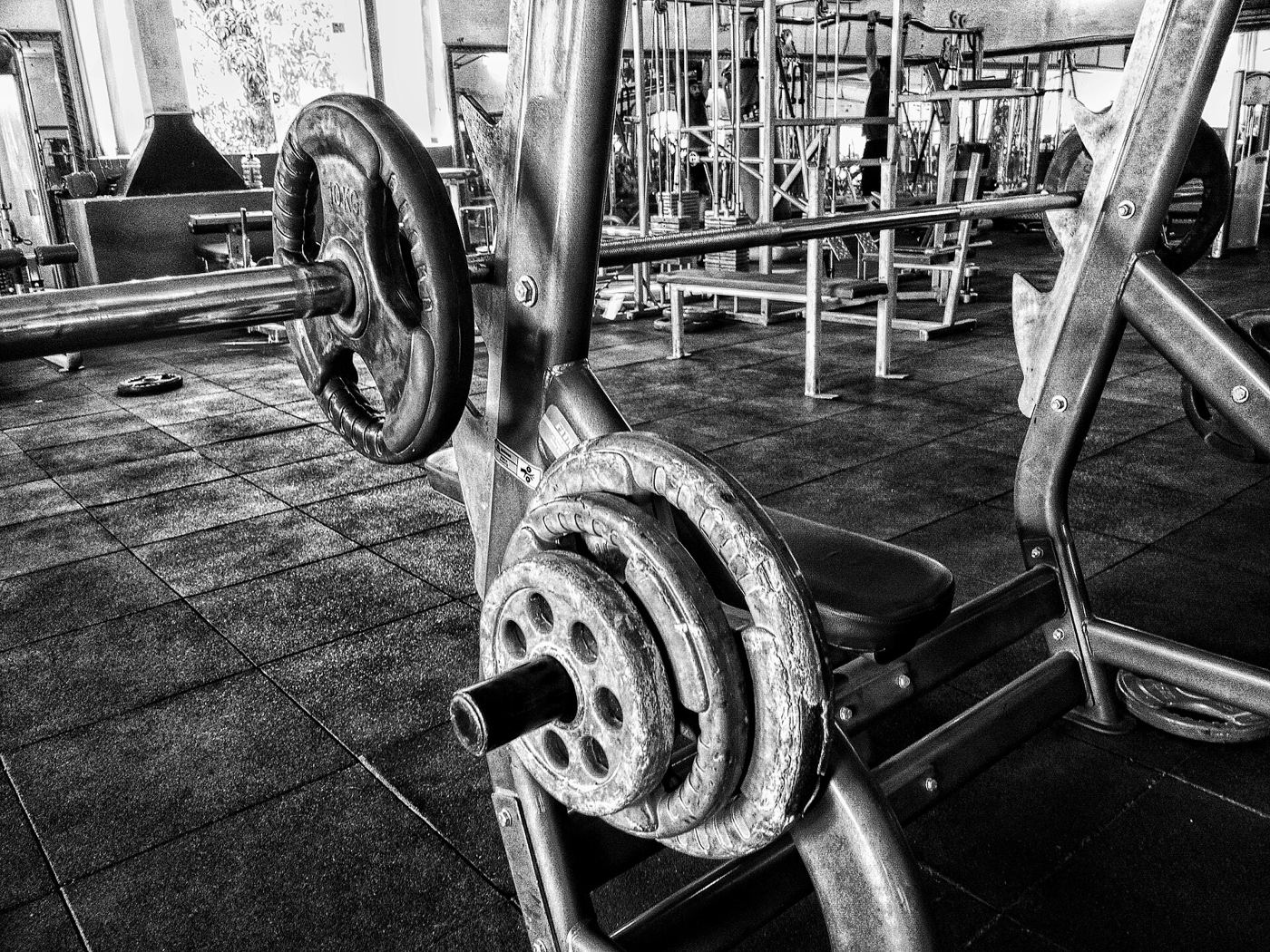
Walking is good for health, but after the age of 60 it is no longer enough on its own. That is the message from health experts, who point out that muscle is lost steadily with age unless it is deliberately challenged. Adults who do not strength train lose on average 3 to 8 percent of their muscle mass per decade from the age of 30, according to a classic review of the evidence, and the loss speeds up after 60, reaching as much as 8 percent per decade between the ages of 65 and 80. The result is sarcopenia, the age-related loss of muscle mass, strength and physical function, which is thought to affect 10 to 20 percent of older people and almost doubles the risk of hospital admission. Walking keeps the heart and legs moving, but it does not provide the resistance that tells muscles to stay strong.
What the Evidence Shows
The World Health Organization’s physical activity guidelines recommend that adults get 150 to 300 minutes of moderate aerobic activity a week, plus muscle-strengthening exercises for the major muscle groups at least two days a week. That second part is the one most people skip. Recent guidance suggests that two to three short sessions of about 30 to 45 minutes a week produce measurable gains in strength and mobility for people over 50, and the exercises need not involve a gym: bodyweight movements, resistance bands and light dumbbells all count. Protein matters too, with experts recommending 1.0 to 1.2 grams per kilogram of body weight a day for healthy older adults. Anyone with balance problems, pain or a chronic condition should check with a health professional before starting, but for most people the message is simple: lift something heavy, twice a week, and keep doing it. Reporting and analysis from sources such as World Health Organization track the same developments, and specialists following strength training after sixty say the direction is now consistent across independent lines of evidence.
The Wider Context
The wider context is a health system trying to move from treating illness late to preventing it early, against budgets that reward the opposite. Evidence around strength training after sixty is being weighed by guideline committees that ask two questions in order: does it work, and can ordinary services actually deliver it at scale. Many good ideas pass the first test and stall on the second.
What Happens Next
What happens next for strength training after sixty depends on the slow machinery of guidelines, funding and training catching up with the evidence. Patients asking about it today should expect honest answers that include uncertainty, and clinicians say a service that explains what is not yet known earns more trust than one that oversells. The research pipeline, at least, is moving in the right direction. You can follow related developments in our coverage of health.
There is a practical lesson in all of this for readers deciding what to do today. Start with the verified facts, be wary of anyone promising certainty, and prefer reversible steps while the evidence is still developing. Circumstances differ by country, income and personal situation, so general guidance should always be weighed against your own context before you act on it in any significant or lasting way.
