

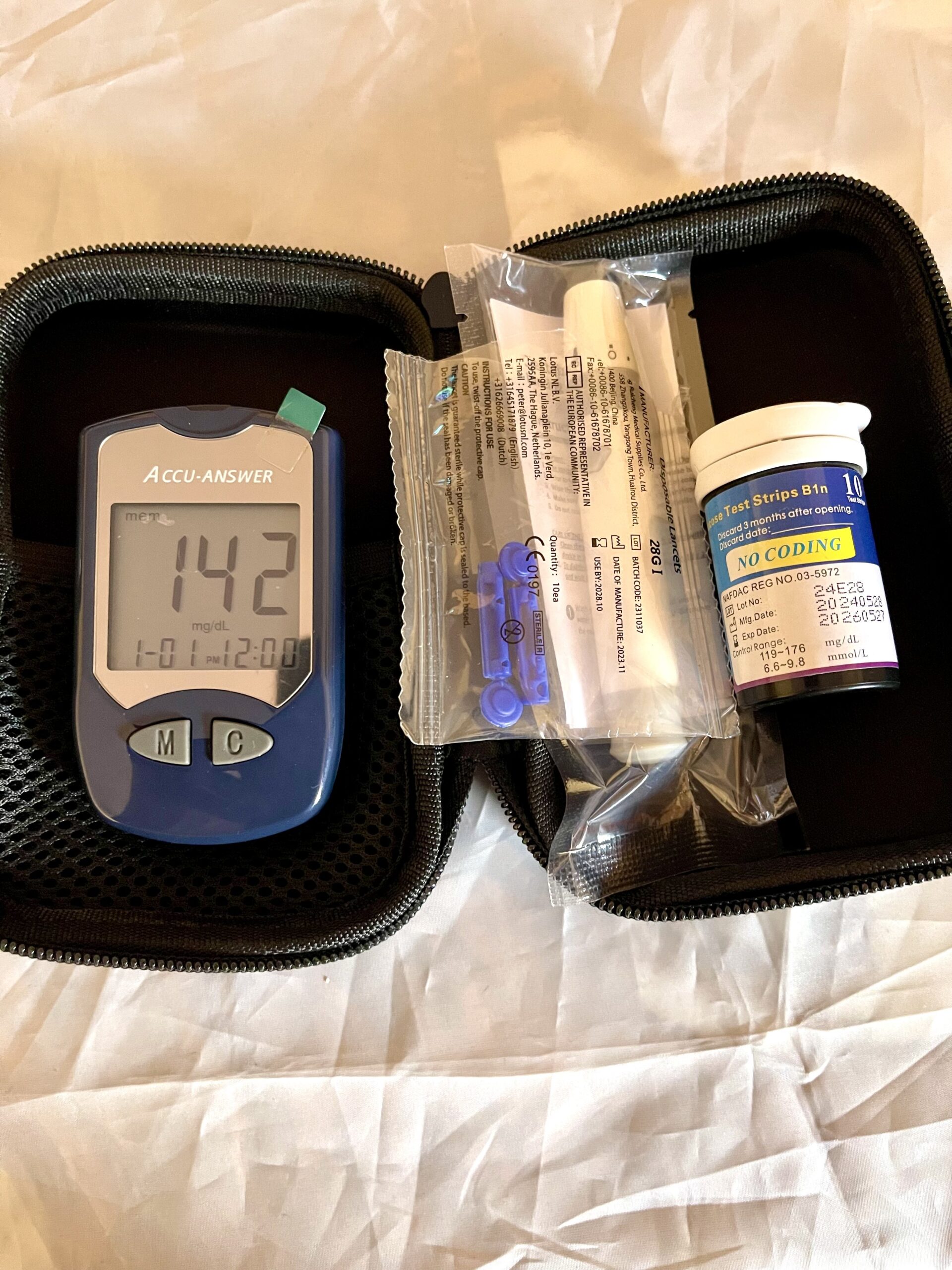
Continuous glucose monitors began as specialist kit: a sensor worn on the arm, a stream of readings replacing finger-stick tests, prescribed mainly to people with type 1 diabetes. That era is ending. A combination of trial evidence, falling prices and regulatory clearances is pulling CGM into type 2 diabetes — a condition roughly ten times as prevalent — and turning a niche device into one of the defining health technologies of the decade. The American Diabetes Association has progressively widened its guidance on who benefits, and our technology coverage has followed the shift from gadget to standard of care.
The clinical logic is feedback. Type 2 diabetes is managed through thousands of small decisions — meals, walks, medication timing — made by patients who historically received feedback a few times a day at most, or at quarterly blood tests. A continuous trace changes that information environment completely.
The Evidence That Moved Regulators
Trials in type 2 populations, including patients not on intensive insulin regimens, have shown consistent improvements in HbA1c — the standard long-term glucose measure — among CGM users compared with finger-stick monitoring. Just as importantly, time-in-range data gives clinicians a richer picture than any single average: the overnight lows, the post-breakfast spikes, the patterns that explain why two patients with identical HbA1c are not having identical diseases.
Regulators responded in stages: clearances for broader type 2 use, then over-the-counter sensors aimed at people with type 2 not using insulin — a landmark that moved CGM from prescription device to consumer health product. Coverage policy, as usual, is trailing the clearances, and the fight over which patients insurers must fund is now the industry’s central commercial question.
What Patients Actually Gain
Ask long-term users and the testimony is less about numbers than about texture. A finger-stick is a judgement delivered several times a day; a continuous trace reads as weather — patterns to dress for. Users describe discovering their personal responses with an experimenter’s curiosity: which breakfast spikes them, what a twenty-minute walk does to a glucose curve, how sleep loss shows up the next morning. Clinical teams report engagement rising accordingly, and with it the small daily decisions that determine long-term outcomes more than any single prescription.
The risks deserve honesty: data overload, anxiety at every fluctuation, and sensors marketed to the metabolically healthy worried well. Diabetes educators increasingly frame CGM as a learning tool with seasons of use, rather than a lifelong obligation for every patient.
The Market Consequence
For the device industry, type 2 expansion multiplies the addressable market while inviting consumer-electronics competition — the sensor is becoming a wearable, with all the design and price pressure that implies. For health systems, the wager is that feedback now prevents complications later: the eye, kidney and nerve damage that make diabetes one of the most expensive chronic conditions on earth.
The Data Question Arriving With the Devices
Millions of new continuous sensors generate a new kind of health data — dense, longitudinal, intimately behavioural — and the governance of that data is being negotiated in real time. Patients reasonably ask who else sees their glucose traces: insurers, employers, app platforms, advertisers? The regulatory frameworks built for episodic medical records fit awkwardly over a stream that reveals when you eat, sleep and celebrate.
Clinicians advising patients today add a digital clause to the prescription conversation: choose platforms with clear data terms, and treat the sensor as a medical device with a privacy policy attached. The technology’s benefits are real; so is the value of the data exhaust it produces, and patients should know they are the ones generating both.
The direction is set. Glucose data is going continuous, mainstream and cheap; the argument now is only about speed and who pays. Follow the coverage and reimbursement story in our technology section.
