

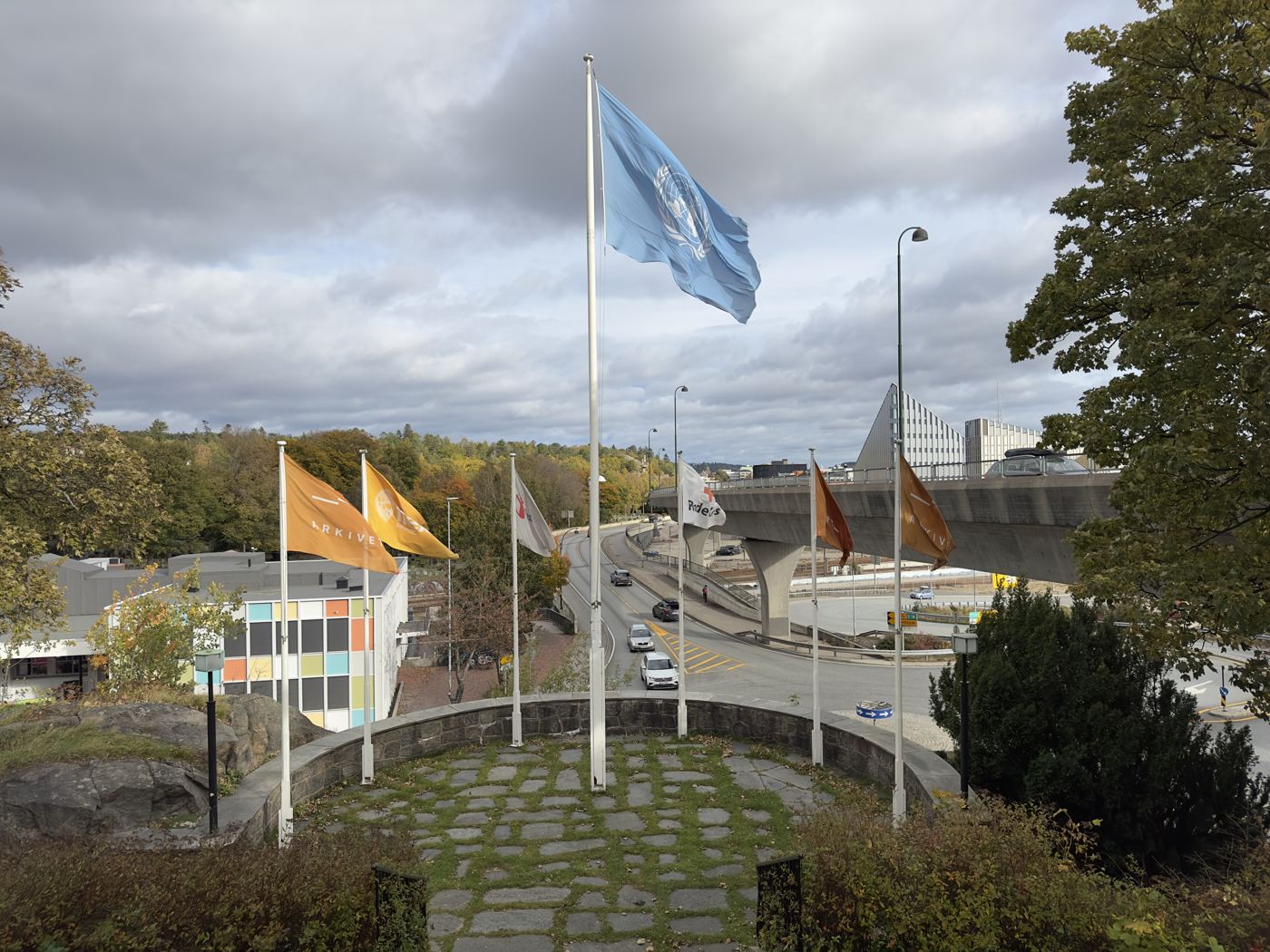
United Nations climate talks in Antalya, Turkey, ended in collapse on Sunday, November 22, after the European Union and climate-vulnerable nations rejected the final deal, calling it too weak to advance the fight against global warming. The summit, scheduled to finish on November 20, ran two days into overtime and became the longest COP on record, yet still produced no overarching agreement, the first time since the Copenhagen summit in 2009 that the annual talks ended without one. The central dispute was whether the final text would call for moving away from coal, oil and gas, after references to fossil fuels were removed from drafts following objections from oil producers.
What the Evidence Shows
The collapse leaves governments without a shared political message on how to respond to a planet about to breach its main temperature limit, and hands a hard inheritance to Ethiopia, which hosts COP32 next year. Not everything was lost: delegates agreed a just transition decision covering fairness for workers and communities, and around 80 nations signed up to a goal of securing 35 percent of final energy from electricity by 2035. But the failure revived doubts about climate diplomacy itself, with UN climate chief Simon Stiell expressing deep disappointment and calling for scope to improve, modernise and reform the process. Reporting and analysis from sources such as BBC News track the same developments, and specialists following the collapse of the COP31 climate talks say the direction is now consistent across independent lines of evidence.
The Wider Context
The wider context is a public conversation conducted at a speed institutions were not built for. Developments around the collapse of the COP31 climate talks are announced, contested and revised within a single news cycle, and the officials involved have learned to publish evidence alongside claims so that scrutiny can actually occur. Trust, the polling suggests, follows that transparency more than it follows confidence.
What Happens Next
What happens next in the story of the collapse of the COP31 climate talks will be decided in the places where it is being implemented, measured and argued about in public. The officials and organisations involved have committed to publishing progress data, and that commitment gives residents, businesses and journalists something firmer than promises to judge. The next milestones are dated, which means they can be checked. You can follow related developments in our coverage of news.
None of this will be settled by a single announcement, study or product launch. The pattern to watch is accumulation: independent confirmations, honest reporting of failures and steady improvement in the underlying numbers. Readers who follow those signals, rather than the loudest claim of the week, will understand this subject better than most of the commentary surrounding it suggests is possible.
There is a practical lesson in all of this for readers deciding what to do today. Start with the verified facts, be wary of anyone promising certainty, and prefer reversible steps while the evidence is still developing. Circumstances differ by country, income and personal situation, so general guidance should always be weighed against your own context before you act on it in any significant or lasting way.
