

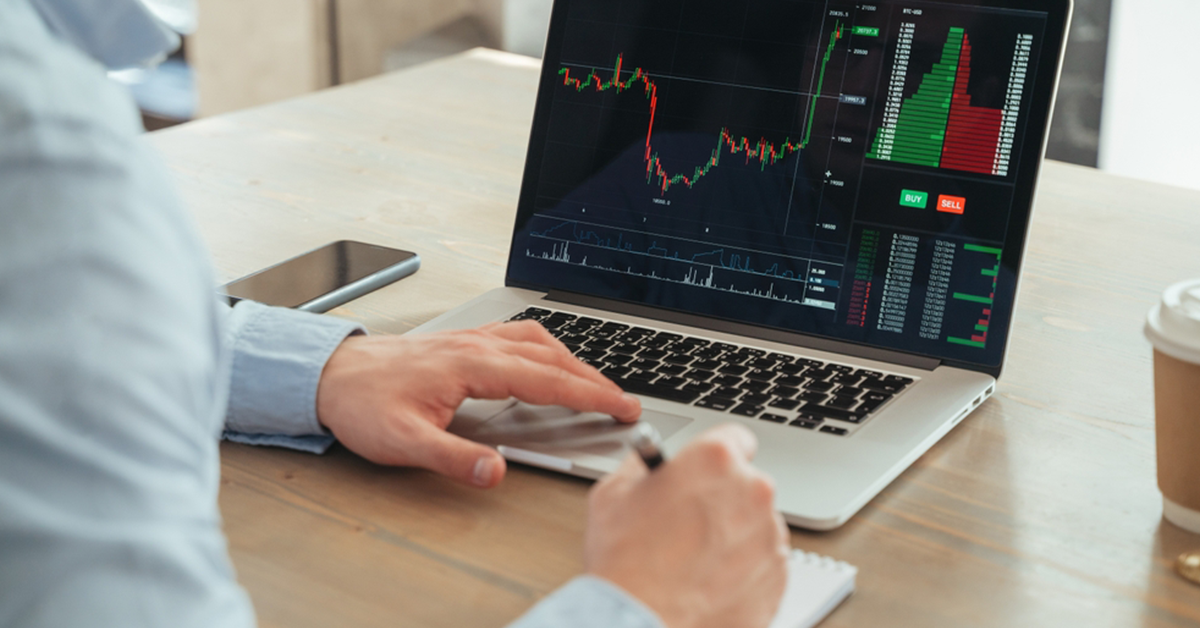
When you skip the evaluation phase and buy straight into an active capital allocation, your trading success hinges heavily on technical execution. A slow order fill can cost you multiple pips of slippage, turning a perfectly planned breakout trade into an immediate loss. Because these models put you right up against maximum daily loss boundaries from your very first trade, optimizing your technical connection to the firm data stream is a structural necessity rather than a luxury.
Why do my orders seem to fill slower on an instant account compared to a demo?
It all comes down to where the order is actually processing. When you trade on a standard trial simulation, the server just logs your entry price internally without routing anything to external liquidity pools. When you purchase Instant Funding plans, however, your execution requests are processed through live retail broker servers that must match your order with real liquidity providers. This backend routing takes a measurable amount of time. If your local internet signal has to travel thousands of miles to reach the firm server, you will experience latency. It is like trying to shout an order to a bartender across a crowded, noisy nightclub instead of ordering from a quiet tablet at your table; the message simply takes longer to get processed.
How does execution latency directly impact my daily drawdown limit?
Latency is the primary cause of negative slippage, which can quietly destroy a small Funded Account. If you click the buy button during a fast-moving market and experience a two-hundred-millisecond delay, the actual market price can spike higher before the server processes your request. The engine fills your order at the new, worse price, meaning you start the trade with an immediate, unexpected loss. Since automated risk management systems track your equity fluctuations down to the millisecond, that initial slippage eats directly into your allowed daily drawdown limit before your trade even has a chance to breathe. If you study historical execution data between FundingPips vs FundedNext, you will notice that retail traders frequently discuss how different server locations modify these slippage parameters during heavy volume sessions.
What is the fastest technical upgrade I can make to fix slow fills?
You need to set up a Virtual Private Server, commonly called a VPS. A VPS is essentially a cloud-based computer that stays powered on twenty-four hours a day inside a dedicated data center. By installing your trading terminal on a VPS that is physically located in the exact same city as your firm liquidity servers—usually London or New York—you drop your execution ping down to single-digit milliseconds. This means when you click a button on your home computer, the signal travels instantly to the cloud terminal, which executes the order with near-zero transit delay. Checking user feedback on matchups like FundingPips vs E8 Markets shows that serious intraday execution strategies rely heavily on these dedicated server networks to maintain clean entries.
Does the choice of trading platform change my order filling speed?
Yes, the underlying software architecture heavily dictates how efficiently data packages move. Newer platforms like MetaTrader 5 are built on native 64-bit multi-threaded engines, allowing them to process simultaneous data feeds much quicker than older, single-threaded software options. If you are running a strategy that requires high-volume scalping or fast execution scripts, choosing a modern infrastructure will significantly reduce your localized processing lags. When comparing corporate structures like FundingPips vs FTMO or checking out alternative growth models like FundingPips vs The5ers, the specific platform options and server stability they offer are just as critical as the profit splits themselves.
Should I avoid trading certain market events to keep my execution clean?
You should absolutely step aside during high-impact news releases if you want to keep your account functional. When major economic data drops, global liquidity drops off a cliff as big banks pull their orders to protect themselves. This creates a massive imbalance, causing spreads to widen dramatically and execution servers to bottleneck under the sudden spike in transactional volume. Even if your technical connection is pristine, your order will slide through the empty order book and fill yards away from your intended price. Looking at the operational metrics for alternative platforms, whether you analyze FundingPips vs City Traders or explore the risk parameters of FundingPips vs DNA Funded, you will find that news slippage is a universal market constraint that no backend tech can completely eliminate.
Summary
Speeding up your order execution fills on an instantly allocated account requires optimizing your technical pipeline from your desk to the firm liquidity provider. By using a dedicated VPS to cut down your network ping, switching to modern 64-bit trading platforms, and completely avoiding liquidity black holes during red-folder news events, you minimize the negative slippage that threatens your drawdown limits. In the modern proprietary trading landscape, protecting your edge means ensuring your digital infrastructure can match the exact execution boundaries of the platform you choose.
