

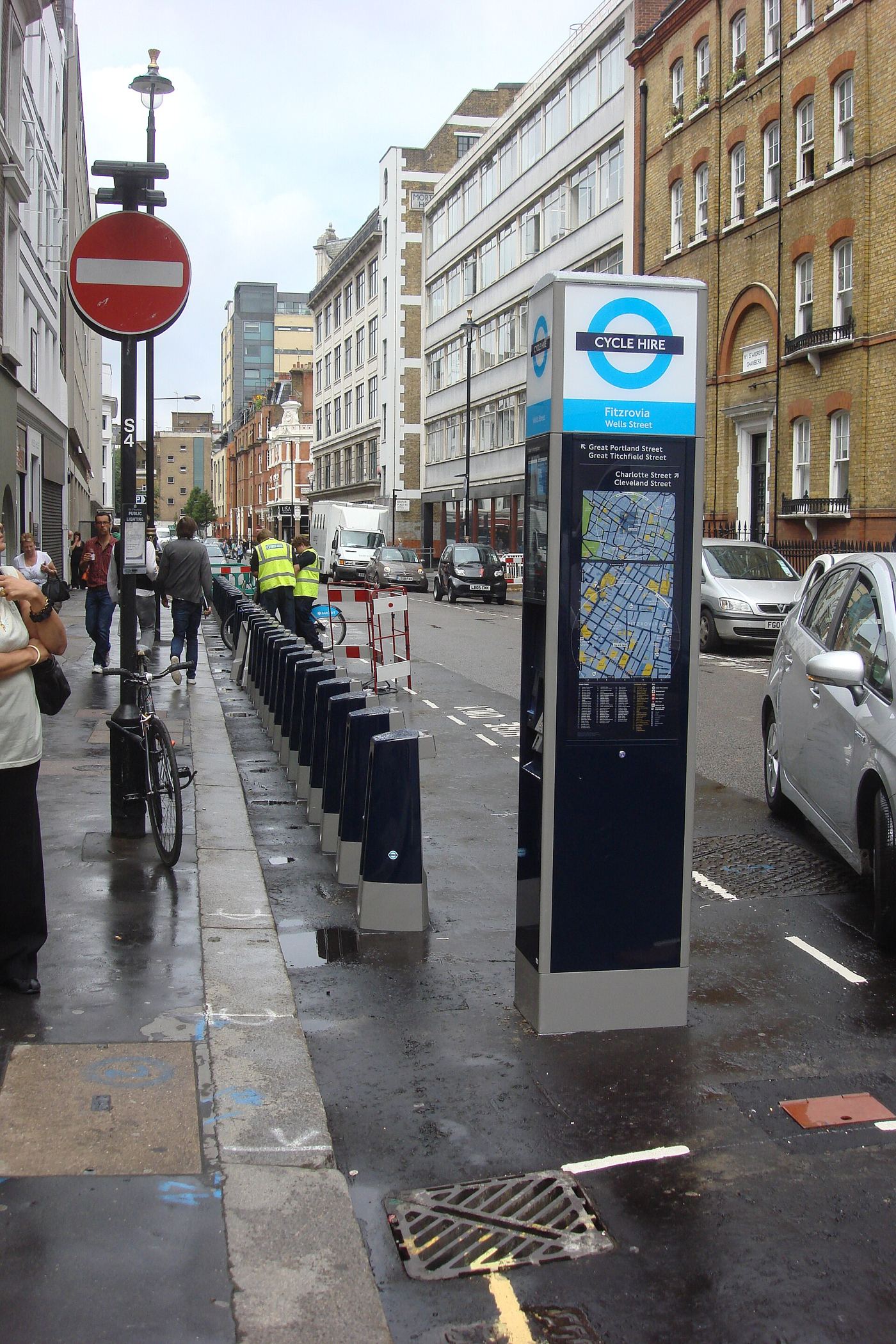
Shared hire bikes are spreading beyond the big cities, as smaller towns and suburbs set up docking stations and app-based schemes that let anyone pick up a bike for a short trip. Commuters use them for the last stretch from the station to the office, shoppers ride them to the market, and visitors explore a town without needing a car. Councils say the schemes cut congestion and pollution, since many bike trips replace short car journeys, and that they give people without a bike of their own a cheap way to travel. The bikes are built to be sturdy, with baskets, lights and gears that suit everyday riding, and the hire is usually charged by the minute, so a quick trip costs little. Operators say usage is highest on dry days and at weekends, and that the bikes are popular with students, tourists and workers alike.
What the Evidence Shows
Transport experts say a hire scheme works best when the bikes are easy to find, with docking stations near stations, shops and workplaces, and when the price is low enough for everyday use. They suggest that towns should join the scheme up with buses and trains, so that one ticket or app covers the whole journey. Some schemes have added electric bikes, which help riders tackle hills and arrive without sweating, and which have proved popular with older riders. The challenge, operators say, is keeping the bikes in the right place, since they tend to pile up at popular spots and run out at others, so vans move them around through the day. For the towns, the bikes are a sign of change, and the hope is that a shared bike becomes as ordinary a choice as a bus ticket. Reporting and analysis from sources such as Reuters track the same developments, and specialists following the spread of cycle hire schemes say the direction is now consistent across independent lines of evidence.
The Wider Context
The wider context is a public conversation conducted at a speed institutions were not built for. Developments around the spread of cycle hire schemes are announced, contested and revised within a single news cycle, and the officials involved have learned to publish evidence alongside claims so that scrutiny can actually occur. Trust, the polling suggests, follows that transparency more than it follows confidence.
What Happens Next
What happens next in the story of the spread of cycle hire schemes will be decided in the places where it is being implemented, measured and argued about in public. The officials and organisations involved have committed to publishing progress data, and that commitment gives residents, businesses and journalists something firmer than promises to judge. The next milestones are dated, which means they can be checked. You can follow related developments in our coverage of news.
There is a practical lesson in all of this for readers deciding what to do today. Start with the verified facts, be wary of anyone promising certainty, and prefer reversible steps while the evidence is still developing. Circumstances differ by country, income and personal situation, so general guidance should always be weighed against your own context before you act on it in any significant or lasting way.
