

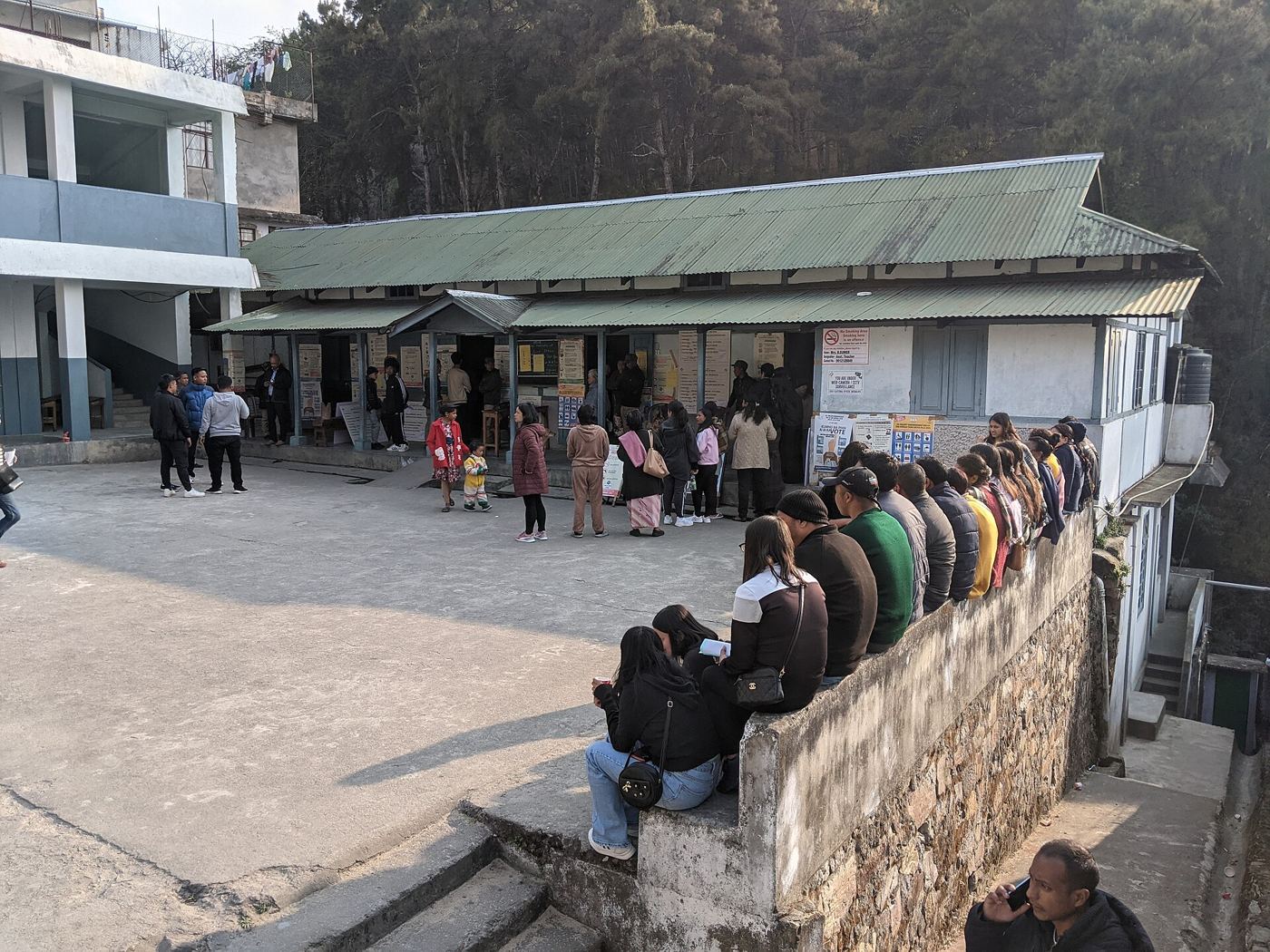
With synthetic media cheap to produce, officials are investing in transparent counts, paper trails and rapid public fact-checking ahead of major votes. Few subjects have shifted as quickly in the past year, and the latest evidence suggests the change is structural rather than a passing fashion. Specialists in election integrity and verification say the latest developments deserve attention precisely because they are measurable: the claims can be checked, the numbers are published, and the people responsible can be asked what happens next.
What the evidence shows
Reporting from several regions points in the same direction. Officials responsible for delivery describe a programme that began as a pilot and has since been written into budgets and planning documents. Civil society groups, meanwhile, have pressed for transparency, publishing their own data and holding public meetings where residents can question the people in charge. That scrutiny has improved the quality of official statistics, and independent analysts now broadly agree on the scale of what is happening, even where they differ on causes. Reporting by Reuters has tracked the same trend from a different angle, and its conclusions align closely with what local observers describe.
International comparisons are instructive: countries that moved earlier are now publishing results that others are studying closely. On this site, continuing coverage in our News section has followed election integrity and verification as it moved from specialist debate to a topic readers ask about directly, in comments, at events and in the questions they send the newsroom.
What it means in practice
For the public, the immediate effects are practical ones: new timetables, new forms to fill in, new prices at the till and new arguments at kitchen tables. Local representatives say their inboxes reflect that mix of hope and irritation, and most expect the politics to settle once services either visibly improve or visibly fail to. Businesses operating across regions complain about patchwork implementation, and trade bodies have asked for a single, stable set of rules rather than announcements that change with each news cycle. Electoral commissions involved in the work emphasise that timelines are realistic rather than heroic, and that the next phase depends as much on public response as on technical or financial capacity.
Sceptics make points that deserve an answer rather than dismissal. Some note that early data can flatter new approaches, that funding shapes which questions get studied, and that media coverage — including coverage of this story — tends to amplify the novel over the representative. Those cautions are well founded, and the most credible voices in the field are usually the first to voice them. The balance of evidence, though, has moved: what was a plausible hypothesis a few years ago is now supported by multiple independent lines of work, and the burden of proof is shifting accordingly. Experts stress that the headline figures hide wide regional variation, and that local context decides whether the approach succeeds.
What happens next depends on decisions being taken in the next few weeks. Readers can expect further reporting as the evidence develops, the numbers are updated and the people affected have their say.
