

Fifteen years after the Deepwater Horizon disaster, the Gulf of Mexico’s wildlife has not bounced back the way recovery narratives assume. A major study of the spill’s long aftermath finds marine life across the Gulf declined dramatically in the years following the blowout — a slower, wider story than the oiled beaches that defined the disaster on television.
The baseline problem
One of the study’s sharpest points is methodological: science cannot measure damage without a “before” picture, and for much of the Gulf’s deep ecosystem, none existed in 2010. Monitoring programmes funded since — partly by the settlement itself — have since built the baseline that should have been there. It is an expensive way to learn a cheap lesson: you cannot protect, or restore, what you never counted.
Gulf monitoring data is published by NOAA, with the research literature hosted by Science.
What recovery would require
Restoration money from the settlement continues to fund marsh rebuilding, oyster restoration and fisheries science across the Gulf states. The study reframes those projects’ horizons: success should be judged over decades, against the baseline data now being gathered, rather than by ribbon-cuttings. It also strengthens the case for prevention economics — the full cost of a spill, properly counted, dwarfs the cost of the safety margins that might have prevented it.
How scientists know this
Findings of this kind are not single-experiment stories. They rest on converging lines of evidence — instrument records, replication by independent groups, and models tested against observations — assembled over years and argued over in the literature. Where uncertainty remains, it is usually about magnitude and timing rather than direction. That distinction matters for how the rest of us should hold the news: not as a coin flip between true and false, but as a picture sharpening at different speeds in different places.
What the study found
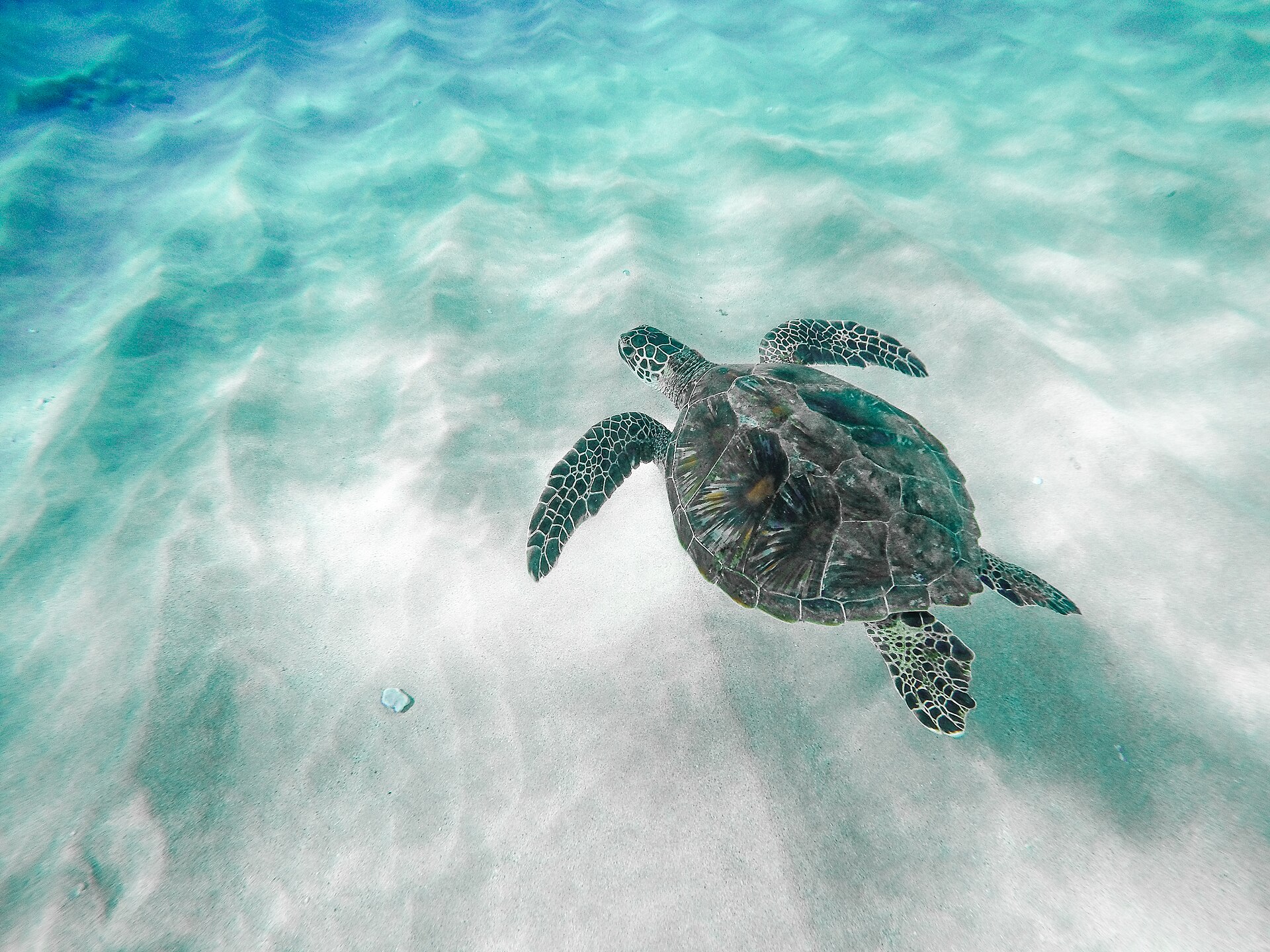
Drawing on long-term monitoring across the Gulf, researchers documented broad declines in marine life in the years after the spill — not only in the heavily oiled northern Gulf but across a wider region. The pattern implicates the spill’s dispersed footprint: oil and dispersants reached deep water and sediments, entering food webs at levels from plankton to top predators. Some species have stabilised; few show the rebound that “resilience” headlines promised.
For more coverage of the stories shaping the day, visit our home page and the latest in news.
Why deep water heals slowly
The deep Gulf is cold, dark and slow — its animals grow slowly, reproduce late, and live long. A coral colony or a deep-sea fish population damaged in 2010 operates on recovery timescales of decades to centuries. Surface ecosystems can rebound in years thanks to sun and rapid reproduction; the deep sea, which received a large share of the oil, simply cannot hurry. The spill’s true centre of gravity was always the part nobody could photograph.
Why this research matters beyond the lab
Basic research has a habit of becoming infrastructure. Measurements taken to answer a scientific question end up guiding engineering standards, insurance models, public investment and school textbooks. The lag can be decades, which is precisely why the funding and the observing systems behind work like this are worth defending in the present: the data not gathered this year is the question nobody can answer in twenty. Curiosity may start the work, but societies finish it — or fail to — with budgets.
The Gulf study is not an argument that recovery is impossible. It is an argument that recovery is slow, deep and unfinished — and that the bill for 2010 is still being counted by the only accountants who cannot be lobbied: the animals themselves.
